Aromatherapy and Smell Training: Understanding the Difference
When it comes to using scent for wellbeing and recovery, aromatherapy and smell training often get confused. They both involve scent, but they serve entirely different purposes. Aromatherapy provides mood support, while smell training is a science-based rehabilitation method proven to help with smell loss and also supports memory and brain health.
What Is Aromatherapy?
Aromatherapy involves using essential oils such as lavender or peppermint for relaxation or mood enhancement. While many find aromatherapy soothing, it is not designed to restore the sense of smell or rebuild neural pathways.
What Is Smell Training?
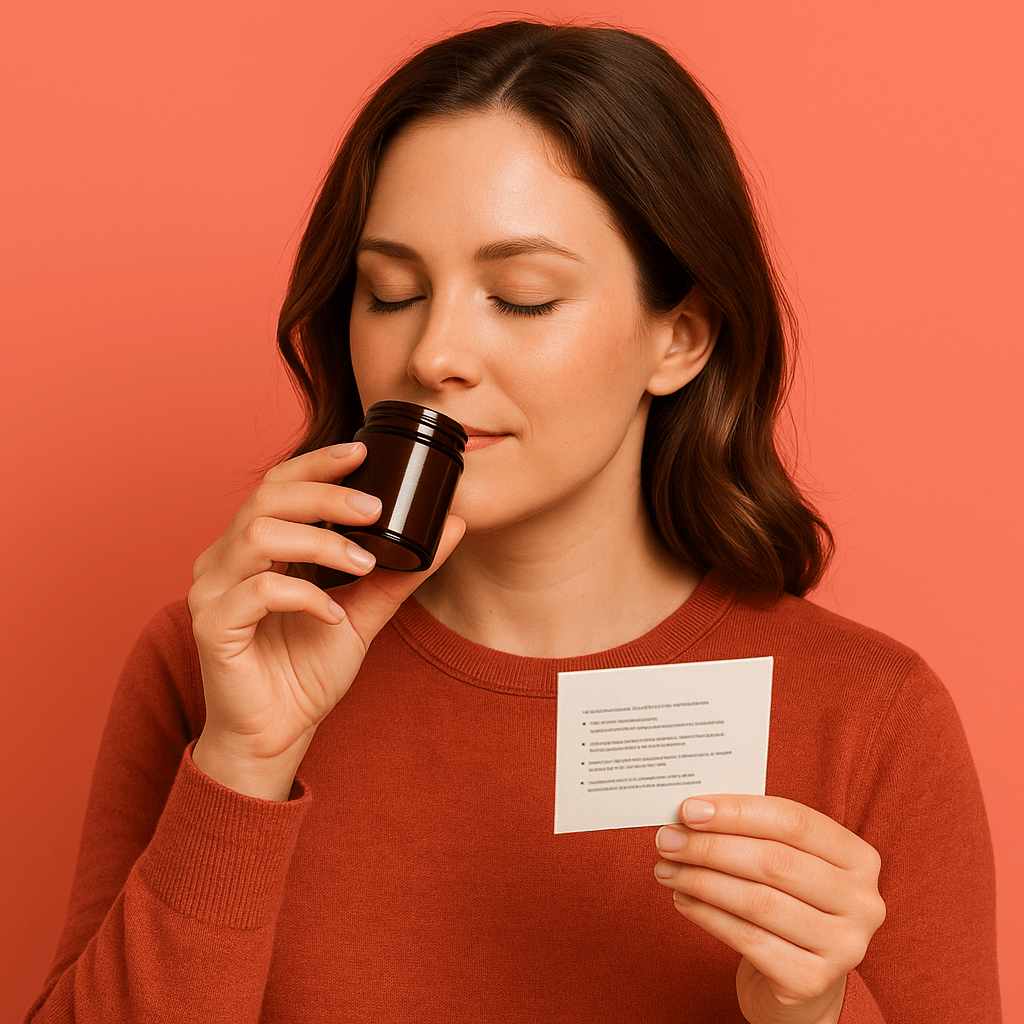
Smell training (or olfactory training) is a structured rehabilitation method widely recommended for people recovering from smell loss, whether due to viral infections, ageing, or head injuries. It involves working with a consistent set of scents over time to stimulate the olfactory nerve and support neuroplasticity. Research shows this structured practice helps the brain re-learn smells and regain function.
Key Differences: Aromatherapy vs Smell Training
| Feature | Aromatherapy | Smell Training |
|---|---|---|
| Purpose | Mood enhancement | Restoring smell function and cognition |
| Method | Diffusers, oils, casual use | Structured scent routine with intent |
| Evidence | Anecdotal, varied | Peer-reviewed studies and clinical trials |
| Best For | General wellness | Smell loss recovery and brain health |
Aromatherapy can help you relax, but only smell training rebuilds the nose and strengthens the brain.
Smell Training and Cognitive Wellness
Smell training’s impact goes beyond smell recovery. It also benefits memory and cognitive health.
- A 2024 meta-analysis found that smell training significantly improves olfactory function, including odour identification, discrimination, and detection thresholds, with measurable changes in the brain.
- A 2025 review highlighted that smell training not only restored smell but also improved mood and cognitive performance, underscoring its wide-reaching benefits.
These findings show that smell training is not just about recovering your nose. It is also a powerful way to support brain health.
Can You Use Both?
Yes, but keep the roles clear. Aromatherapy can provide emotional comfort and create a supportive environment, while smell training remains the core intervention for smell recovery and cognitive benefit.
How to Begin Smell Training
At Scent Recover we make smell training straightforward and accessible. Our kits are designed for both people starting their recovery and those who have been living with smell loss for years. Each kit contains four carefully selected scents, instruction cards, and progress charts, so you have everything needed for effective training.
You can choose from:
- Classic Kit: rose, lemon, eucalyptus, clove
- Relax Kit: calming, restorative scents
- Trees Kit: fresh, natural tree aromas
Each kit is based on scientific research and provides a reliable foundation for building your training routine. To learn more, visit our dedicated How to Smell Train page.
Conclusion
While aromatherapy and smell training both involve scent, their purposes are very different. Aromatherapy offers wellbeing and relaxation. Smell training delivers evidence-based recovery and cognitive support. If you are living with smell loss or want to support your memory, smell training is the proven path forward.